EVOLVING RHYTHMS
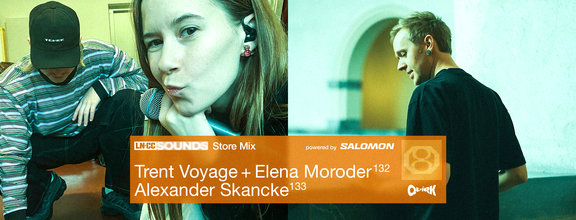
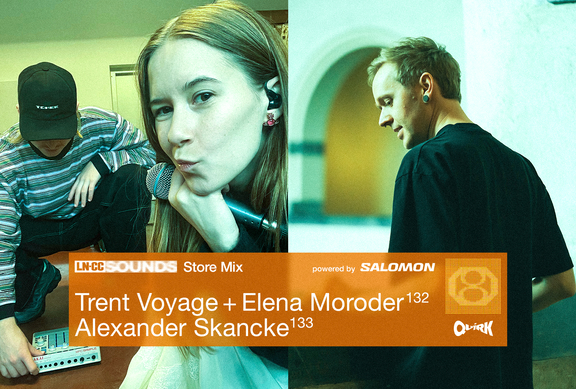
THE LAUNCH OF SALOMON'S XT-EVO IS SOUNDTRACKED BY BERLIN-BASED LABEL QUIRK, WHO BRING THEIR EUROPEAN ELECTRONIC HOUSE MUSIC TO THE L8TE AND THE STORE MIX
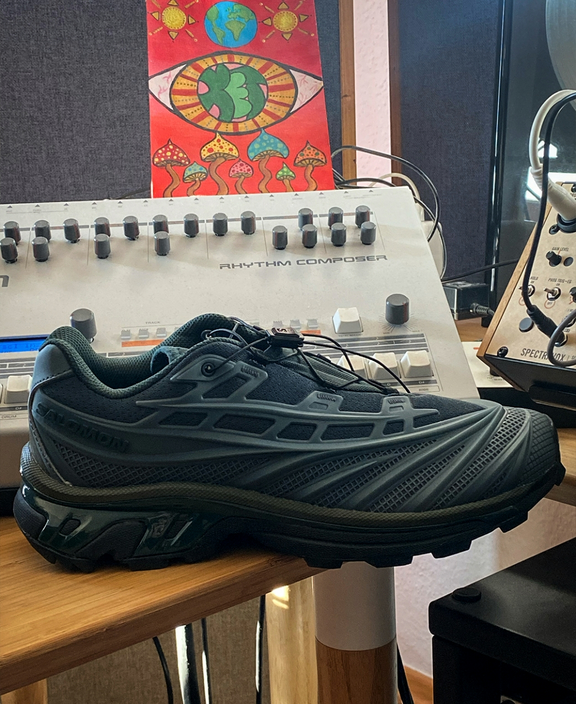
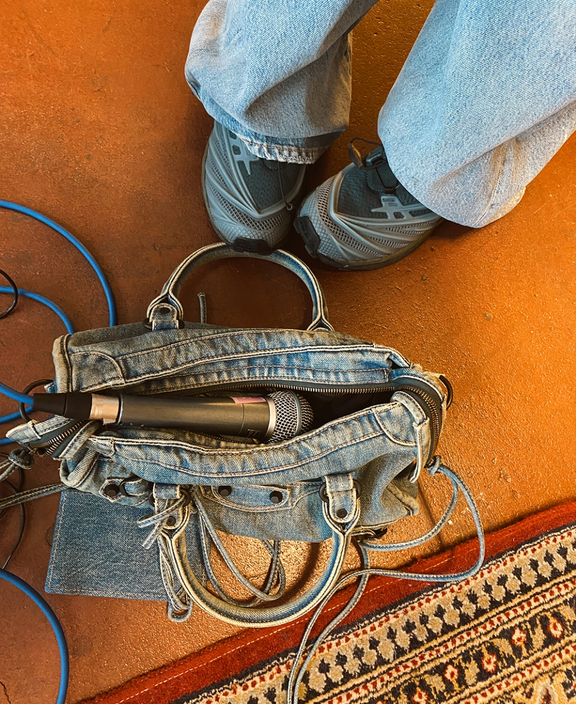
Salomon evolves with their latest edition of the XT-EVO, a model built for momentum, it combines some of their best footwear technologies for maximum performance. Featuring an OrthoLite sockliner and Contagrip® outer sole, with cushioning that optimises comfort alongside grip ready for explorative traversal, now showcased in the new green colourway. To soundtrack the launch, LN-CC brings in artists from Berlin-based label Quirk, whose European electronic stylings make their way to Dalston for the night.
Founded in 2019, Quirk houses a plethora of international artists now based in Berlin, including Ukraine's Sonya Zlo, Norway's Henriku, Austria's Foehn & Jerome, Ireland's Trent Voyage and the Italian Elena Moroder. Frequent collaborators, Voyage and Moroder have released several EPs together on the label, infusing atmospheric club-ready house production with clean cut emotional vocals. Their latest project, Bodies of Water, released earlier this year, imbues trance and acid house with sensuality with tracks like You & and Please Call Me Back.
Quirk's founder, Alexander Skancke, originally from Norway, would eventually relocate to Berlin, establishing himself within the European electronic scene through his exploration of house music. With over a decade of putting out personality-led cuts, he's proven himself as one who studies his references without being tied down by them. His EP Mitsubishi Experience, released earlier in the year, explores rhythms well suited for the night, being the perfect soundtrack for the underground, while his latest project, Peacewave – a collaborative EP with labelmate Henriku, sees Rock and Drone sounds explored in tracks like Orange Sunshine and ATM.
Ahead of the XT-EVO's LN-CC debut, Skancke and Voyage & Moroder introduced their Euro electronic house to the Store Mix series, speaking with us regarding their influences, the Berlin scene today, and what we can look forward to in the l8te.
Quirk has artists signed from all over Europe that have ended up finding a home in Berlin. What do you think that brings to the music?
Alex: I think everyone brings something different with them, whether it's their musical background, where they grew up, or the scenes they were part of before moving to Berlin. I've been living here for over ten years now, and being part of the nightlife, discovering music, and meeting people from all over the world has definitely shaped me and the sound of Quirk. For me, Quirk has never been about one particular sound, but more about bringing together different influences and people who share a similar passion for music.
How does the music from where you grew up differ to that of the Berlin scene?
Alex: I grew up in Trondheim, a relatively small city in Norway with a great music scene, especially when it comes to non-electronic music. I was lucky to grow up in an open-minded family that exposed me to an incredible amount of music, from progressive rock and jazz to soul, folk and electronic music. However, when it comes to electronic club music, Trondheim has always had a fairly limited scene compared to Berlin. With clubs closing at 2 AM, it's difficult for an underground electronic music scene to really flourish. Moving to Berlin opened up a completely different world, with so much music, nightlife and different influences to discover.
Trent: I grew up surrounded by a mix of traditional Irish music, rock and electronic music through my parents, while my friends introduced me to more electronic and pop sounds. The Irish music scene I grew up around had a certain intensity to it, with big build ups, dramatic moments and drops. It’s quite different from the sound I’ve come to know in Berlin.
Elena: When I started going to parties as a teenager is when I really discovered electronic music. Where I used to go dance as a teenager, the tempos were faster and the sound more intense than what you get on average in Berlin.
Alex, what made you want to start your own label?
The main reason I started Quirk was that I wanted complete artistic freedom. Over time, Quirk also became a platform for my closest friends and artists whose music I genuinely believe in. I wanted to give them a place to release their music, support what they're doing and hopefully help their music reach more people. It's really as simple as that.
Your latest EP, Peacewave with Henriku, sounds like it has some rock influence on it. That feels quite distinct within the general sound of house. How was that considered in the making of the project?
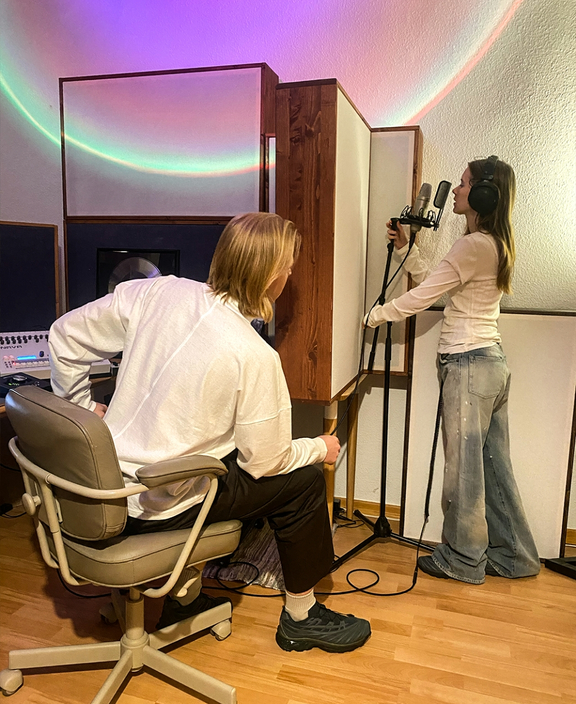
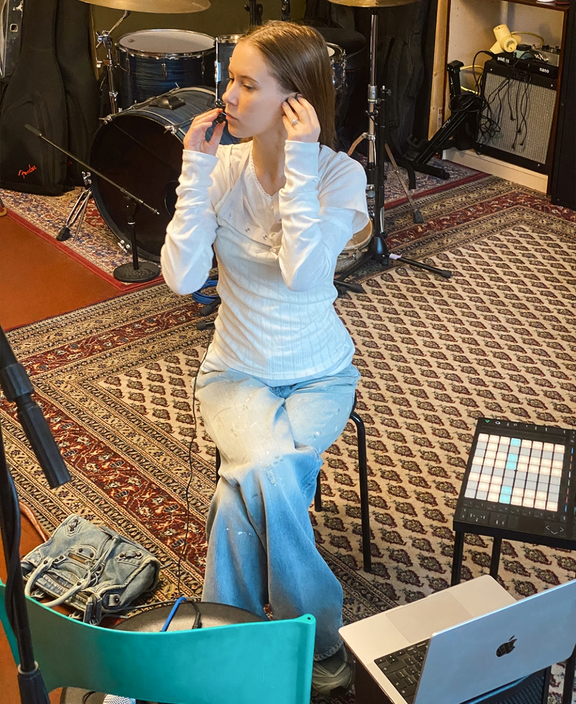
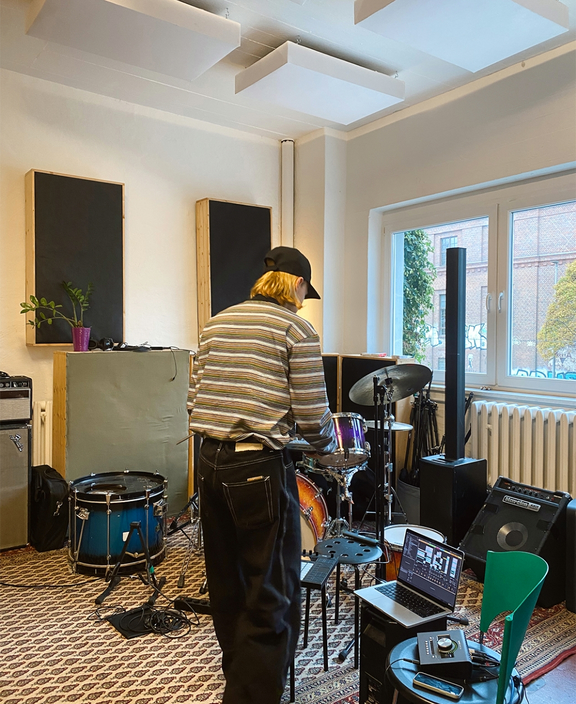
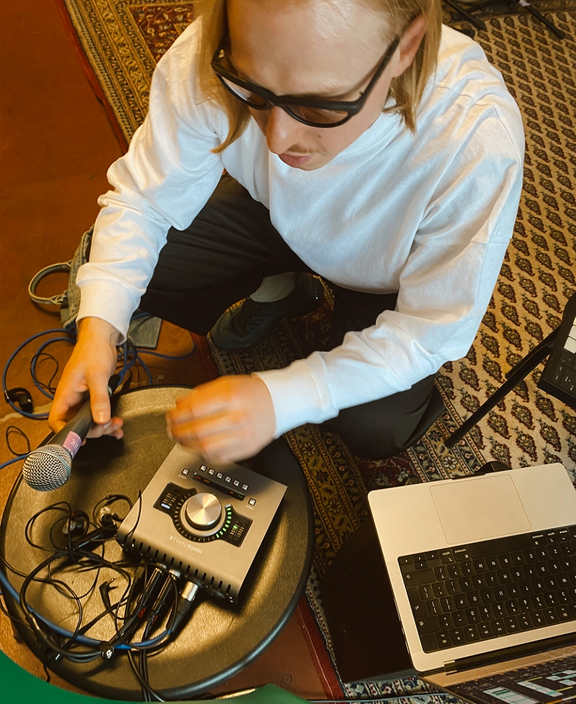
Henriku and I have made several records together now, and we always try to do something new and fresh, but most importantly, have fun and enjoy our time in the studio. We never really set out to make a record with rock influences. Around that time, I'd bought a bunch of new percussion instruments and microphones, and I was really interested in experimenting with recording live instruments. We also recorded Henriku's vocals, and I started playing around with bass guitar. As the tracks developed, they naturally took on a more psychedelic direction, probably influenced by all the rock and psychedelic music from the 1960s and 1970s I've listened to over the years. We eventually invited Elena's boyfriend, Ethan Dalziel, who's also a fantastic guitarist and a good friend of ours, into the studio to record some guitar parts with us. It all came together quite naturally.
Trent and Elena, can you share a bit about how you both started working together?
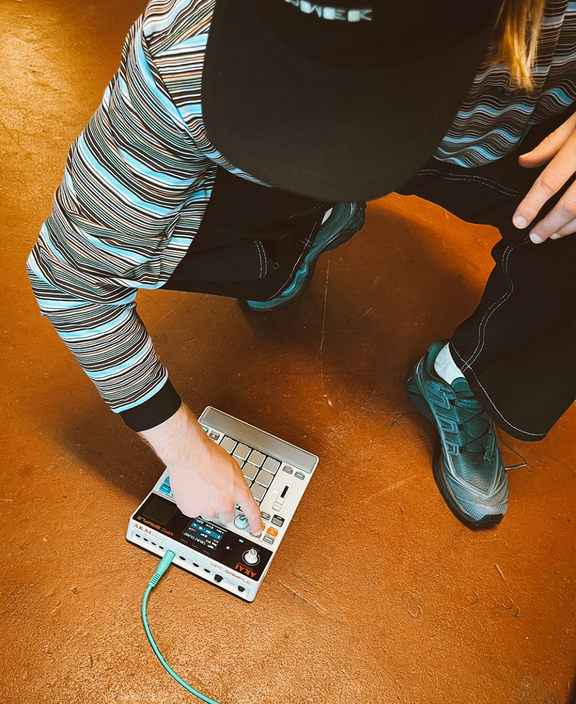
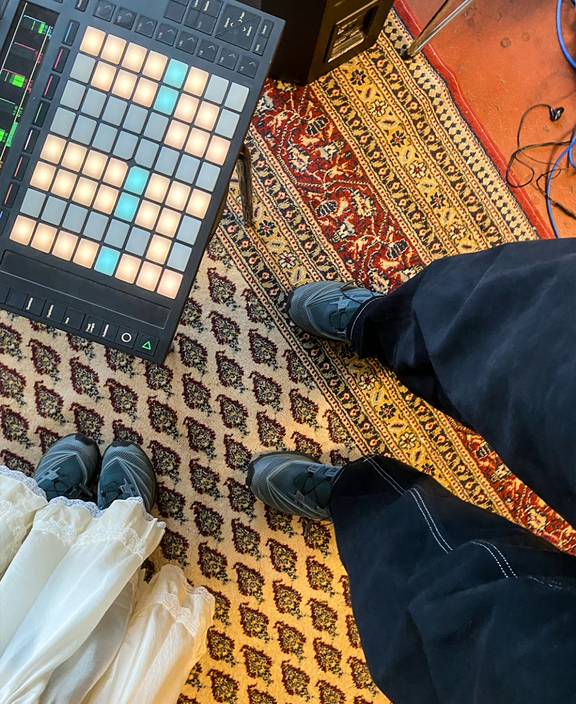
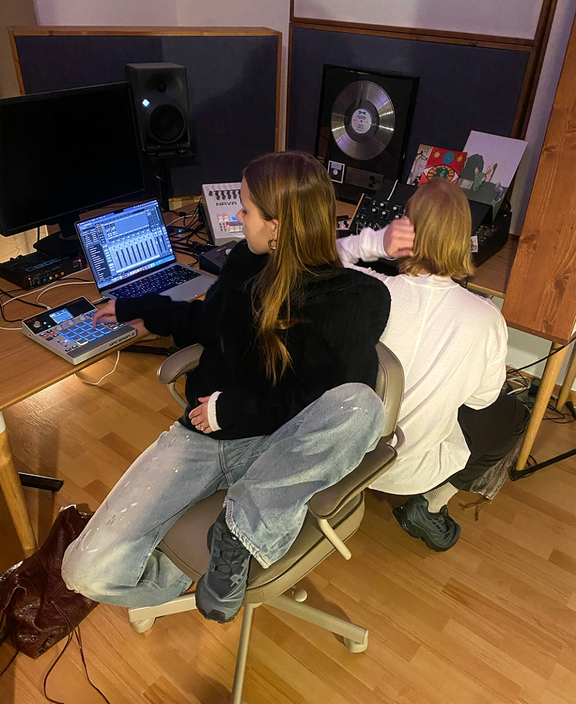
Trent: We met in Berlin, we both went to the same university, but it wasn’t until we both graduated years later that we connected and started making music together. It was a natural process as the first session we had together ended up on our debut release on Quirk. Elena was the one who came up with the idea of mixing vocals with house/techno in a club environment.
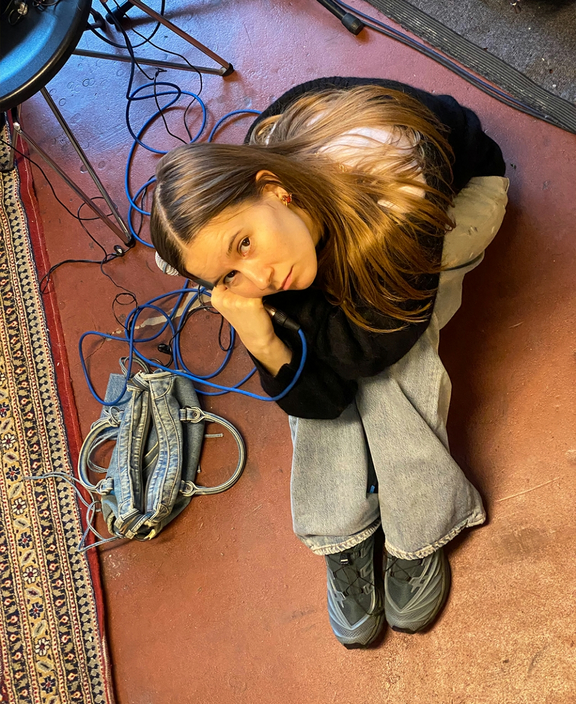
Elena: Actually, a mutual friend of ours connected us at my boyfriend's band’s gig. The three of us (Trent, the mutual friend and I) had made plans to meet up and have a session all together to see if anything would come of it. Our friend was 3 hours late to the session and by the time he arrived we had already made 2 tracks. We understood there that we could work very well together.
What does your collaborative process look like? Do you approach a project like Bodies of Water with a clear idea for the EP or does that come together naturally?
Trent: It depends on how the mood is, we have started many projects with a clear idea and concept and quickly pivoted to another direction even after finishing the track. I think it is important to recognise when something is not working, and that’s ok! Don’t be afraid to break up arrangements and take out elements from a track or remove concepts from an EP sometimes broad brushstrokes are the best.
Elena: I often read early 20th Century Italian poetry to get inspiration for lyrics. On my way to Trent’s, I was reading poems by the writer Antonia Pozzi and there was one passage in which she used the words ‘Corpo d’acqua’ (body of water) and right away I knew that I wanted to somehow use it in a track.
For new fans, what project of yours would you recommend listeners start with?
Alex: I'd recommend starting with my EP Mitsubishi Experience (QRK016) on Quirk. It's quite a diverse record that captures different sides of my sound and what I love about music.
Trent: I would recommend our newest release Bodies of Water as it’s a nice crossover record.
Elena: It’s hard to give a recommendation like this... But the tracks that always make me feel the most are Viola, Rosa, Blu (a production masterpiece by Trent) and So Good, which I think represents our collaboration of sounds very clearly.
Favourite track to close a night?
Alex: Juan Atkins – Track Ten. A record I've been playing and closing my sets with for many years. With his recent passing, I'd like to dedicate this one to him. Rest in peace, legend.
Trent: There’s no favourite but one is UR – Hardlife.
Elena: I don’t DJ, but I think the one we put as a closer in our mix, always works.
Credits:
Trent Voyage, @trentvoyage;
Elena Moroder, @elenamoroder;
Alexander Skancke, @alexander_skancke;
Quirk, @quirk.quirk

